What Is Polymeric Sand and Why It Matters for Minnesota Paver Patios
If you have a paver patio, driveway, or walkway, one of the easiest ways to keep it looking clean and structurally solid is by using polymeric sand. Whether you’re doing a full patio repair or just a refresh, the sand you choose makes a big difference in durability, weed resistance, and overall appearance.
In this guide, we’ll break down what polymeric sand is, how it works, when to use it, and common mistakes to avoid.
What Is Polymeric Sand?
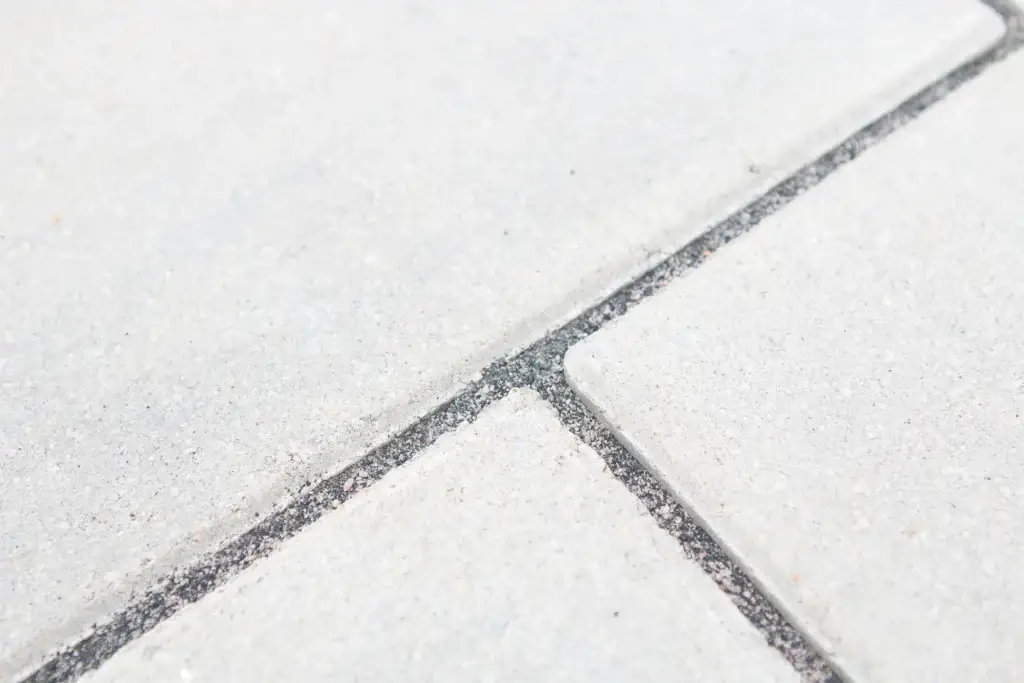
Polymeric sand is a specially formulated jointing sand used between pavers on patios, walkways, and driveways. Unlike regular sand, it contains binding agents (polymers) that activate when exposed to water. Once activated and properly cured, polymeric sand hardens inside the joints, creating a more durable, stable, and long-lasting surface—ideal for homeowners in Minnesota and the Upper Midwest dealing with freeze–thaw cycles.
You’ll most often see polymeric sand used in:
Paver patios
Walkways and garden paths
Driveways
Pool decks
Steps and landing areas
When installed correctly, it locks pavers together while still allowing slight flexibility, which is critical in climates with harsh winters, snow, and ice.
Why Polymeric Sand Is the Best Choice for Patio Joints
1.) Helps Prevent Weed Growth
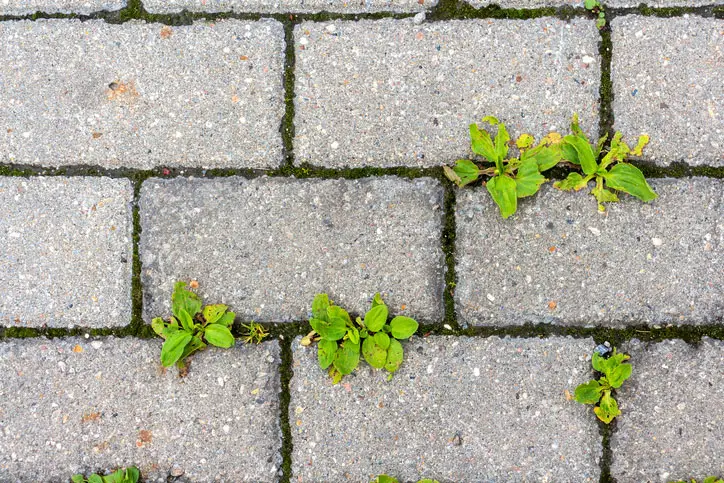
Traditional joint sand washes out over time, creating space for weeds and grass to grow. Polymeric sand hardens in the joints, making it much harder for weeds to take hold, keeping your patio looking clean and maintained.
2.) Reduces Paver Shifting and Sinking
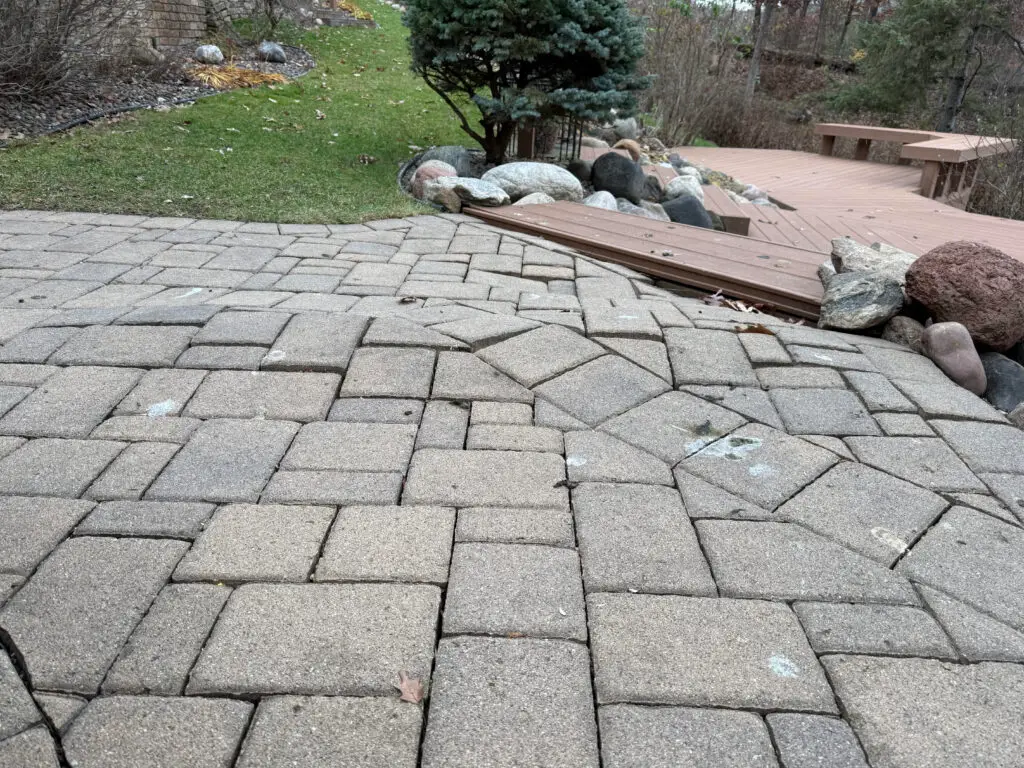
By locking pavers together, polymeric sand helps distribute weight more evenly across the surface. This reduces shifting, rocking, and edge movement—especially important for driveways and high-traffic areas.
3.) Better Protection Against Ants
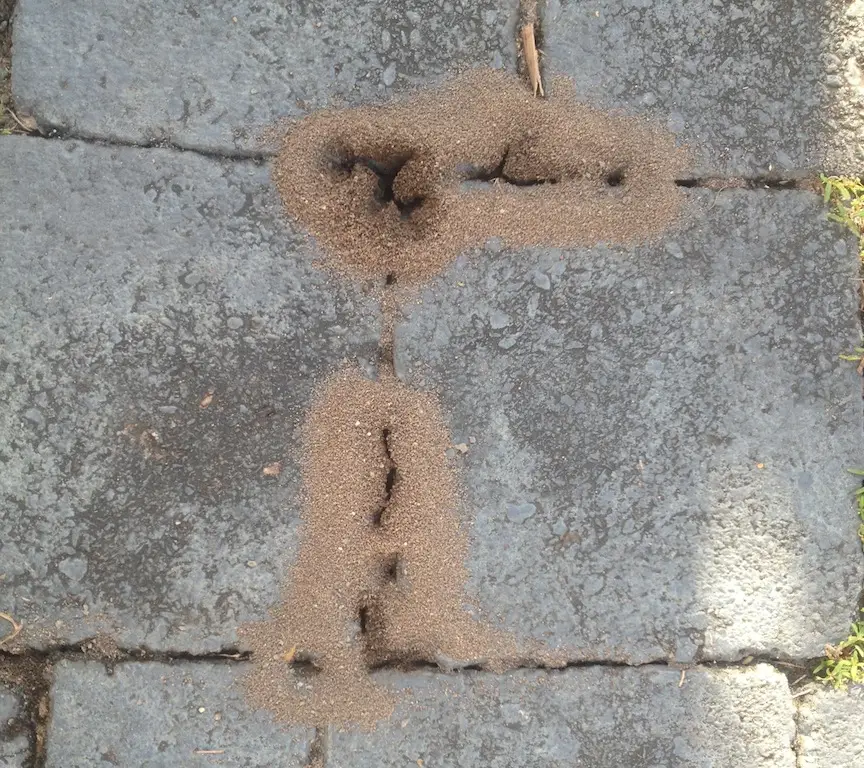
Ants and other insects love loose sand. Solidified polymeric sand removes nesting opportunities and helps prevent ant colonies from undermining your patio.
4.) Resists Erosion
Rain, snowmelt, and pressure washing can wash out standard sand. Properly installed polymeric sand resists erosion, keeping joints full and intact longer.
5.) Enhances Appearance
Polymeric sand comes in multiple colors, allowing you to match or contrast your pavers for a clean, finished look. Full joints make a patio look newer and better maintained.
When You Should Use Polymeric Sand
Polymeric sand isn’t just for brand-new installs—it’s also ideal for maintenance and repair.
During Patio Repairs or Leveling
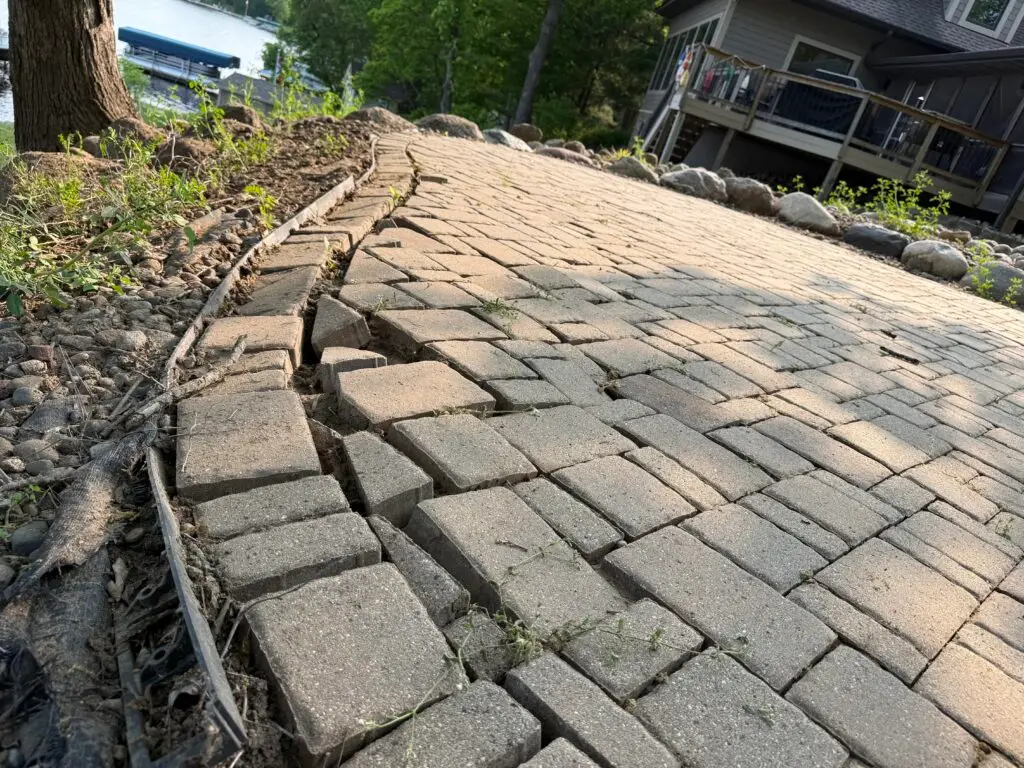
If sections of your patio have sunk, shifted, or been re-leveled, polymeric sand should be reapplied to properly lock everything back in place.
When Joints Are Empty or Washing Out
If you notice gaps between pavers or sand collecting at the edges after rain or snowmelt, it’s a sign the joints need polymeric sand replacement.
In Freeze–Thaw Climates
For areas with harsh winters and spring thaw cycles, polymeric sand helpsmaintain joint integrity whileallowing minor movement without cracking.
After a New Paver Installation
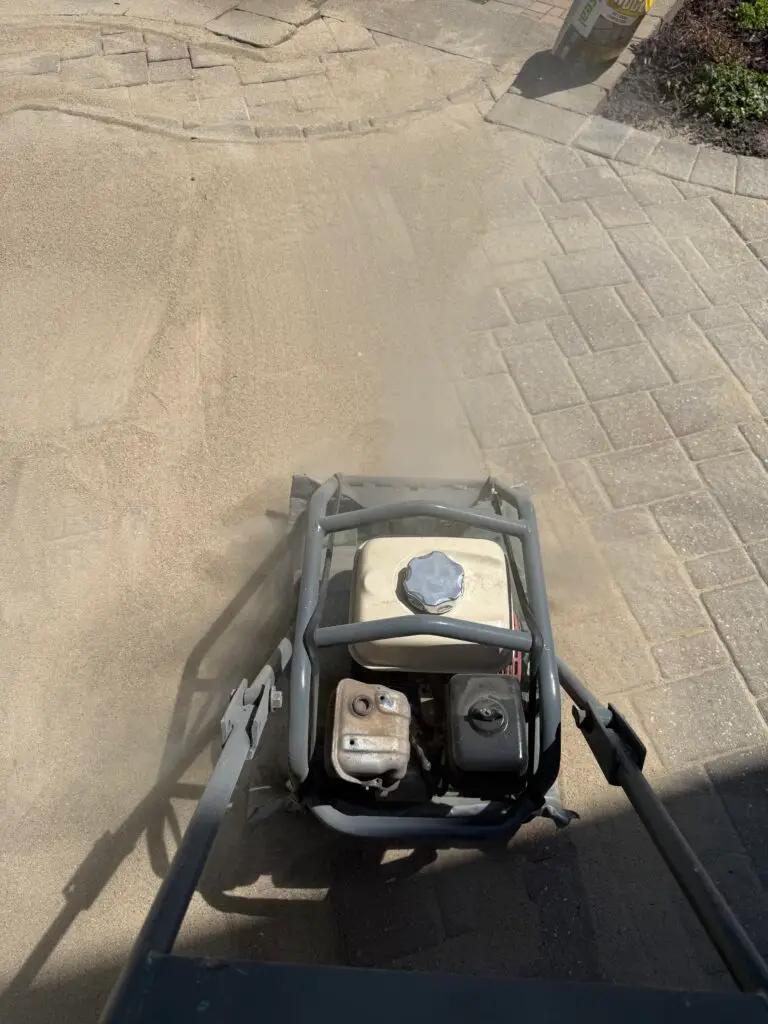
Once pavers are laid and compacted, polymeric sand is the best option for long-term joint stability and appearance.
When Polymeric Sand Should Not Be Used
While highly effective, polymeric sand isn’t right for every situation:
Poor Drainage Areas: Standing water can weaken joints and cause premature failure.
Improper Base Preparation: An unstable base won’t be fixed by polymeric sand.
Extremely Wide or Deep Joints: Some joints may require specialty products.
DIY Installations Without Proper Cleaning: Residue on pavers can permanently stain the surface.
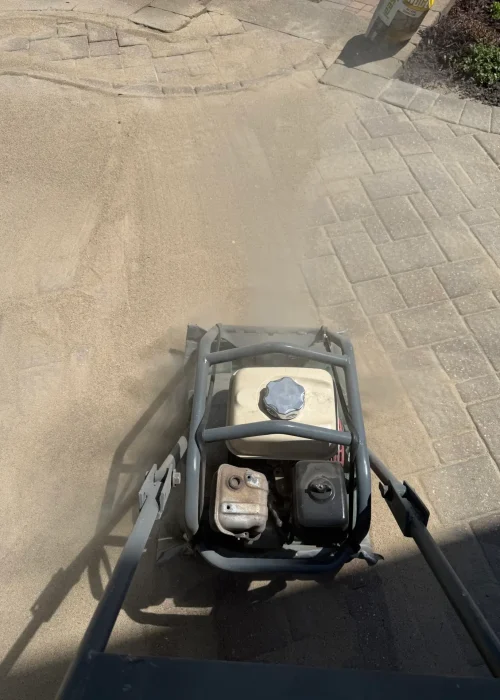
Insufficient Equipment: If the installer doesn’t have proper equipment to compact the surface, polymeric sand should not be used as it may not settle and lock correctly.
Professional Installation Makes the Difference
Polymeric sand only performs as intended when installed properly. This includes correct joint depth, full compaction, meticulous surface cleaning, controlled water activation, and adequate curing time.
Polymeric sand is one of the most important—and often overlooked—components of a durable paver patio. When applied at the right time and installed correctly, it improves stability, reduces maintenance, prevents weeds and insects, and keeps your outdoor surfaces looking their best for years.
If your patio joints are failing, washing out, or full of weeds, replacing them with polymeric sand for pavers may be the most cost-effective way to restore both appearance and performance without a full patio replacement.